
Orange News: 2024 is a pivotal year for advancing global environmental goals, with the United Nations hosting three major summits between October and December on biodiversity (CBD COP16), climate (COP29) and land (UNCCF COP16). Among these, COP29, taking place from November 11 to 22 in Baku, Azerbaijan, has attracted the most public attention.
The Emissions Gap Report 2024 highlights that current efforts fall short, with global temperatures potentially rising to 3.1°C by the end of the century unless countries take decisive actions. With the 1.5°C target slipping out of reach, there is an urgent need to both accelerate decarbonisation and strengthen resilience to adapt to the intensifying impacts of climate change. While existing technologies can help achieve these reductions, it will require increased ambition and substantial support from all sectors. This makes COP29 all the more important – it’s a chance to significantly enhance global ambition and align finance with climate action.
With a vision of “In Solidarity for a Green World”, COP29 will centre discussions on two key pillars: “Enhancing ambition” and “Enabling action”. The conference seeks to unite governments, businesses and civil society in a concerted effort to reduce climate overshoot and drive resilient, sustainable solutions.
Enhancing ambition: Strengthening national plans and transparency
Under the Paris Agreement, countries must submit progressively more ambitious Nationally Determined Contributions (NDCs) every five years, outlining their mitigation and adaptation plans. However, current NDCs are not ambitious enough, particularly in areas like energy transition. With the next round of NDC submissions due by February 2025, COP29 offers an important opportunity to review, update, and set expectations for national climate actions.
Countries are also required to submit Biennial Transparency Reports (BTRs) every two years, tracking their progress on implementing their NDCs. The first BTRs are due in December, and COP29 will focus on addressing the challenges in the reporting process and providing necessary technical support. The COP29 Presidency launched the Baku Global Climate Transparency Platform (BTP), aiming to provide assistance to developing countries in preparing and finalising their BTRs, and encourage universal participation in the Enhanced Transparency Framework (ETF), which helps countries report their progress in limiting and adapting to climate change.
As the impacts of climate change intensify, adaptation becomes just as important as mitigation. COP29 will support countries in preparing and implementing their National Adaptation Plans (NAPs), due by 2025, which will guide resilience-building efforts, technology transfer, and the sharing of best practices.
Enabling action: Unleashing climate finance and market mechanisms
Often referred to as the “Finance COP”, COP29 places a major emphasis on closing the climate finance gap. The previous climate finance target of $100 billion per year, set in 2009, faced challenges such as unmet deadlines and insufficient funding. Current estimates suggest that developing countries will require between $500 billion and $1 trillion annually from international sources to effectively address climate challenges – a figure at least five times the current commitment. In addition, the Adaptation Gap Report 2024 estimates that developing countries will need between $187 billion and $359 billion annually to adapt to climate change. However, the international funding provided for adaptation was only $28 billion in 2022, resulting in a continued lag in climate adaptation measures.
According to the Paris Agreement, governments have agreed to establish a New Collective Quantified Goal (NCQG) by 2025, with annual climate finance to developing countries set at a minimum of $100 billion, while considering their needs and priorities. At COP29, negotiations around the NCQG will focus on setting an adequate funding scale, determining contributing countries, and establishing a suitable timeframe to meet this target, ensuring alignment with global climate goals. Yet, the ongoing global economic downturn raises concerns that these discussions may be challenging.
Moreover, the Loss and Damage Fund, officially agreed upon at COP28, represents a dedicated financial mechanism to help vulnerable countries respond to climate impacts beyond their adaptive capacity. COP29 will prioritise securing financial commitments to operationalise this fund, ensuring that financial pledges translate into tangible support.
Alongside finance, COP29 will work on operationalising Article 6 of the Paris Agreement, which enables countries to cooperate through mechanisms such as carbon markets to reach and exceed their climate targets. By supporting carbon trading and other collaborative approaches, Article 6 can foster robust capital markets and encourage climate-positive economic models. This is key for mobilising financial and technical resources, particularly on countries relying on carbon markets to finance their climate initiatives, thereby helping them to achieve their NDCs.
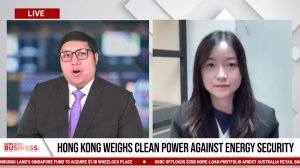
Hong Kong’s role in advancing global climate action: Why it matters for the city’s future
As the world converges at COP29 to chart a course for climate action, Hong Kong must actively align with international efforts to ensure that its climate policies, green finance, and climate resilience measures support global goals. A collaborative approach across all sectors is crucial for driving decarbonisation and achieving net-zero targets. With Hong Kong set to update its Climate Action Plan 2050 in 2026, the Government should closely monitor COP29 outcomes, assess whether current policies align with global climate goals and China’s Nationally Determined Contributions (NDCs), and establish a comprehensive climate legal framework.
In the Chief Executive’s 2024 Policy Address, “Enhancing the Green Finance Ecosystem” was highlighted as a key strategy to strengthen Hong Kong’s role as a global financial hub. The Financial Services and Treasury Bureau will release a roadmap for adopting the International Sustainability Standards Board (ISSB) guidelines by the end of this year. HKEx stands out with its international carbon market, the only platform for voluntary carbon credit trading in both Hong Kong Dollars and Chinese RMB. With COP29’s first-day agreement on carbon credit creation standards under Article 6 of the Paris Agreement, Hong Kong can leverage its unique advantages to attract international investment, expand carbon markets, and provide a solid green finance platform for global investors.
At the recent COP16 on biodiversity, consensus was not reached on financial matters, leaving the $200 billion annual investment needed for biodiversity protection unresolved. These discussions will continue at COP29, focusing on funding sources and market mechanisms for environmental challenges. This presents a key opportunity for Hong Kong to play a role in global climate action and green finance. Hong Kong should also take advantage of COP29’s discussions on adaptation and loss and damage to explore strategies for strengthening local climate resilience, promote nature-based solutions, and enhancing disaster preparedness. By leveraging the opportunities at COP29, Hong Kong can not only accelerate its own progress towards net-zero emissions but also take a leading role in global sustainable development and the green economy, driving the transition towards carbon neutrality.
Originally published on Orange News on 18 November 2024. Written by Rosie Chen and Lawrence Iu.